
Filter by jurisdictions
- ASEAN 1
- Asia Pacific 26
- Australia 5
- Brazil 2
- Calif 1
- California 8
- Canada 1
- China 1
- Denmark 1
- Draft proposal 32
- EU 11
- Enforcement 1
- Europe 15
- Final rules 37
- France 1
- Illinois 1
- India 1
- Indonesia 1
- Japan 2
- Latin America 4
- Minnesota 2
- New Jersey 2
- New Mexico 1
- New York 3
- New Zealand 1
- North America 1
- Oceania 6
- Peru 2
- Philippines 5
- Singapore 1
- South Korea 1
- Southeast Asia 10
- Taiwan 4
- UK 3
- US federal 3
- US states 16
- Ukraine 1
- United States 20
- Vietnam 5
- Virginia 1
- Washington D.C. 1
- Washington state 1
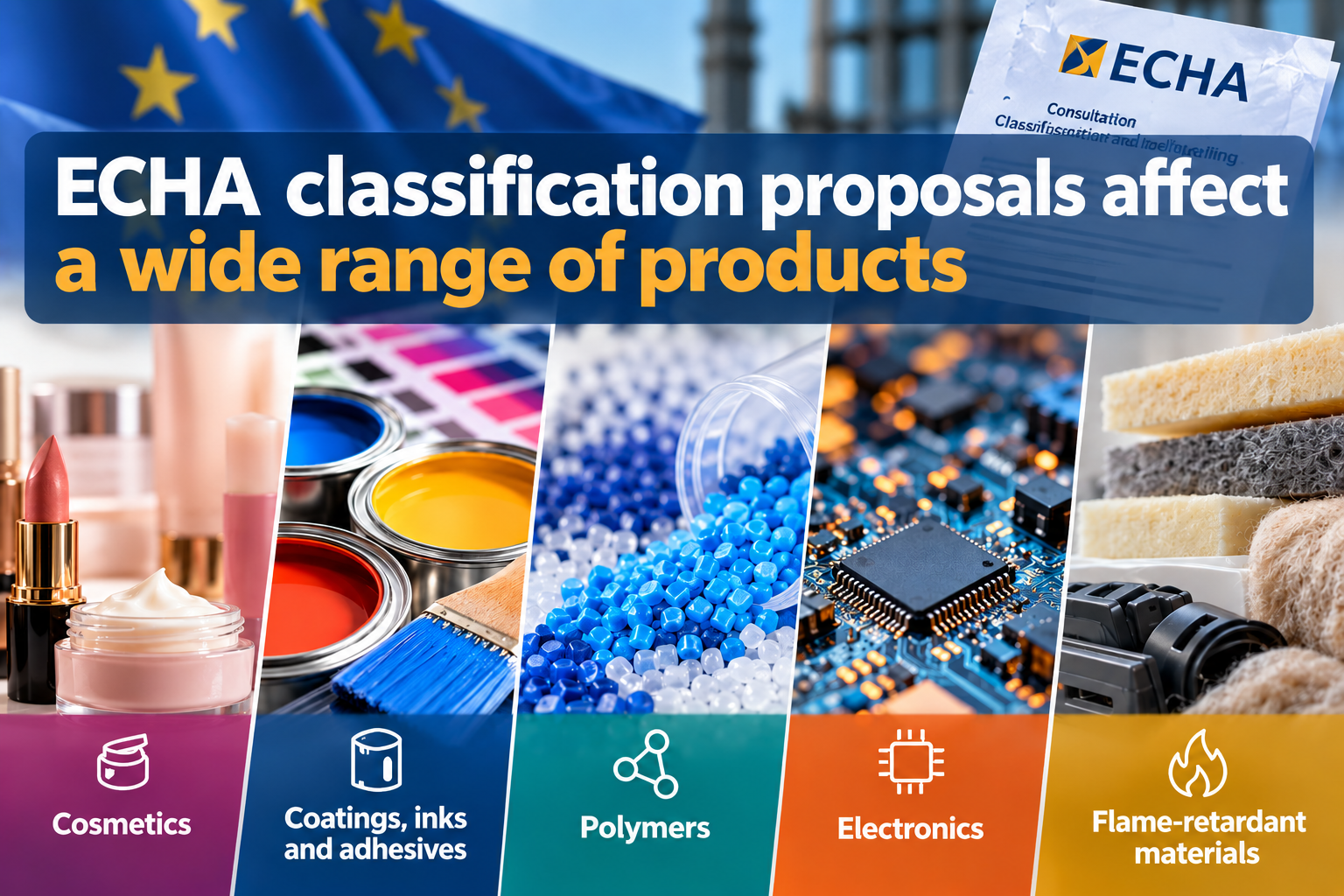
ECHA classification proposals put cosmetics, coatings, polymers, and electronics in focus
ECHA is consulting on new classifications for ethyl 4-(dimethylamino)benzoate, 2-ethylhexyl 4-(dimethylamino)benzoate and 3-methylbutyl 4-(dimethylamino)benzoate, as well as chlorendic anhydride and eight phthalic anhydrides. The proposals cover reproductive toxicity, suspected carcinogenicity, and respiratory sensitization and could affect cosmetics, electronics, coatings, inks, adhesives, polymers, and flame-retardant materials.
Fifth Circuit overturns EPA methylene chloride rule, reopening fight over chemical controls
The Fifth Circuit has overturned the EPA’s 2024 methylene chloride rule, removing restrictions on numerous products and industrial uses. The ruling offers industry immediate regulatory relief but raises new uncertainty about worker protections and the future of chemical regulation under TSCA.

Taiwan proposes controls on six chemicals, targeting food-safety risks, bisphenols, and industrial misuse
Taiwan is proposing new controls on six chemicals, including bisphenol B, bisphenol F, C.I. Pigment Red 3, Para Red, MMMP and GBL, with new approval, reporting, recordkeeping and labelling requirements and compliance deadlines beginning in 2027.

Australia’s compliance deadline hits cosmetics, green tea extracts, and marine paints
Australia’s 1 October 2026 deadline will require new label statements for cosmetics containing BPA glycidyl dimethacrylate or BPA glycidyl diacrylate, liver warnings for high-dose green tea extracts and a lower lead limit for anti-fouling paints.

Singapore Strengthens Oversight of Hazardous Chemicals and Paint Products in 2026
Singapore will introduce mandatory reporting requirements for hazardous chemicals starting January 2026. At the same time, paint products intended for indoor use must contain less than 0.01% formaldehyde.