
Filter by jurisdictions
- ASEAN 1
- Asia Pacific 25
- Australia 5
- Brazil 2
- California 5
- China 1
- Denmark 1
- Draft proposal 28
- EU 8
- Enforcement 1
- Europe 12
- Final rules 31
- France 1
- Illinois 1
- India 1
- Indonesia 1
- Japan 2
- Latin America 4
- Minnesota 2
- New Jersey 2
- New Mexico 1
- New York 3
- New Zealand 1
- North America 1
- Oceania 6
- Peru 2
- Philippines 5
- Singapore 1
- South Korea 1
- Southeast Asia 10
- Taiwan 3
- UK 3
- US federal 2
- US states 16
- Ukraine 1
- United States 18
- Vietnam 5
- Virginia 1
- Washington D.C. 1
- Washington state 1

Vietnam’s Regulatory Reset Raises Near-Term Risks for Global Businesses
Vietnam is undergoing a sweeping regulatory reset. Government restructuring, a new chemicals framework, risk-based product controls, digital labeling and expanding producer responsibility are changing how companies manufacture, import and sell products in the country. For businesses, the biggest challenge may not be any single rule—but the speed at which the entire compliance landscape is changing.

Taiwan proposes controls on six chemicals, targeting food-safety risks, bisphenols, and industrial misuse
Taiwan is proposing new controls on six chemicals, including bisphenol B, bisphenol F, C.I. Pigment Red 3, Para Red, MMMP and GBL, with new approval, reporting, recordkeeping and labelling requirements and compliance deadlines beginning in 2027.
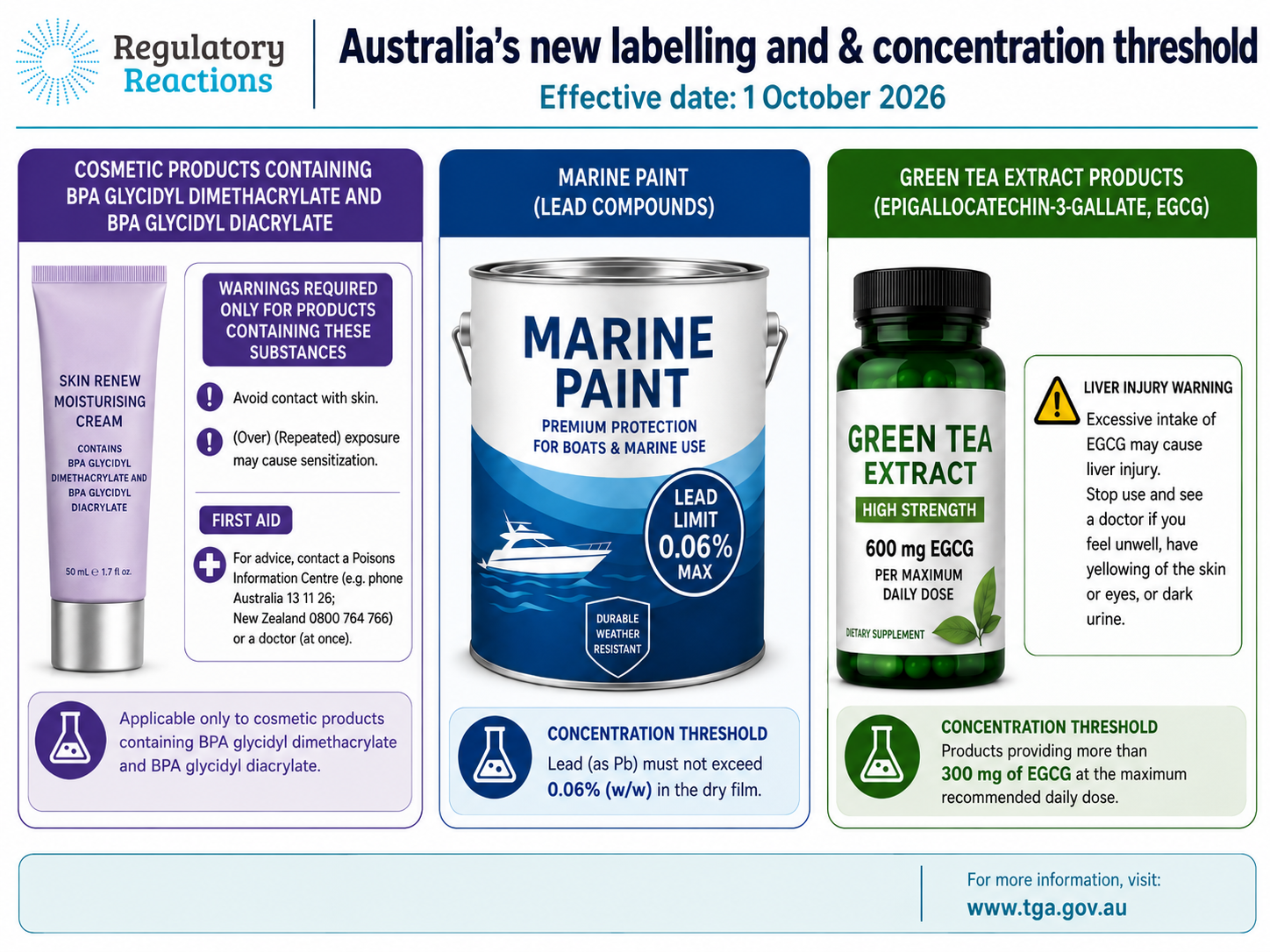
Australia’s compliance deadline hits cosmetics, green tea extracts, and marine paints
Australia’s 1 October 2026 deadline will require new label statements for cosmetics containing BPA glycidyl dimethacrylate or BPA glycidyl diacrylate, liver warnings for high-dose green tea extracts and a lower lead limit for anti-fouling paints.
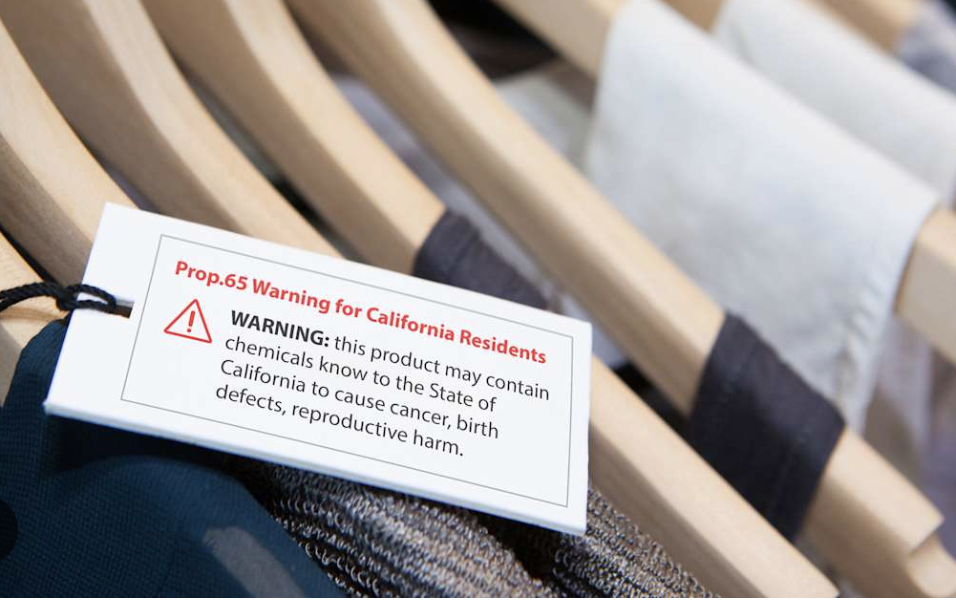
California targets online sales, QR codes, retailer duties, and short-form labeling in a broad Proposition 65 warning overhaul
California is considering broad Proposition 65 warning changes affecting online sales, QR codes, retailer duties, off-road equipment parts and short-form labels. Companies should review the proposals, monitor OEHHA’s position on chemical disclosures and consider commenting before the agency advances formal rulemaking.

Brazil adopts long-awaited RoHS framework for electrical and electronic equipment (EEE)
Brazil has adopted its long-awaited RoHS framework, restricting ten substances (PBB, PBDE, mercury, cadmium, hexavalent chromium, lead, DEHP, BBP, DBP, and DIBP) in electrical and electronic equipment while introducing registration, self-declarations, and Portuguese-language documentation.

Australia tightens controls on retinal as cosmetic safety concerns grow
Australia now requires pre-market assessment for retinal used in cosmetics and other consumer products after AICIS identified developmental toxicity concerns. A related evaluation also flagged potential risks from cumulative exposure to retinol and several retinol esters in skincare and personal-care products.
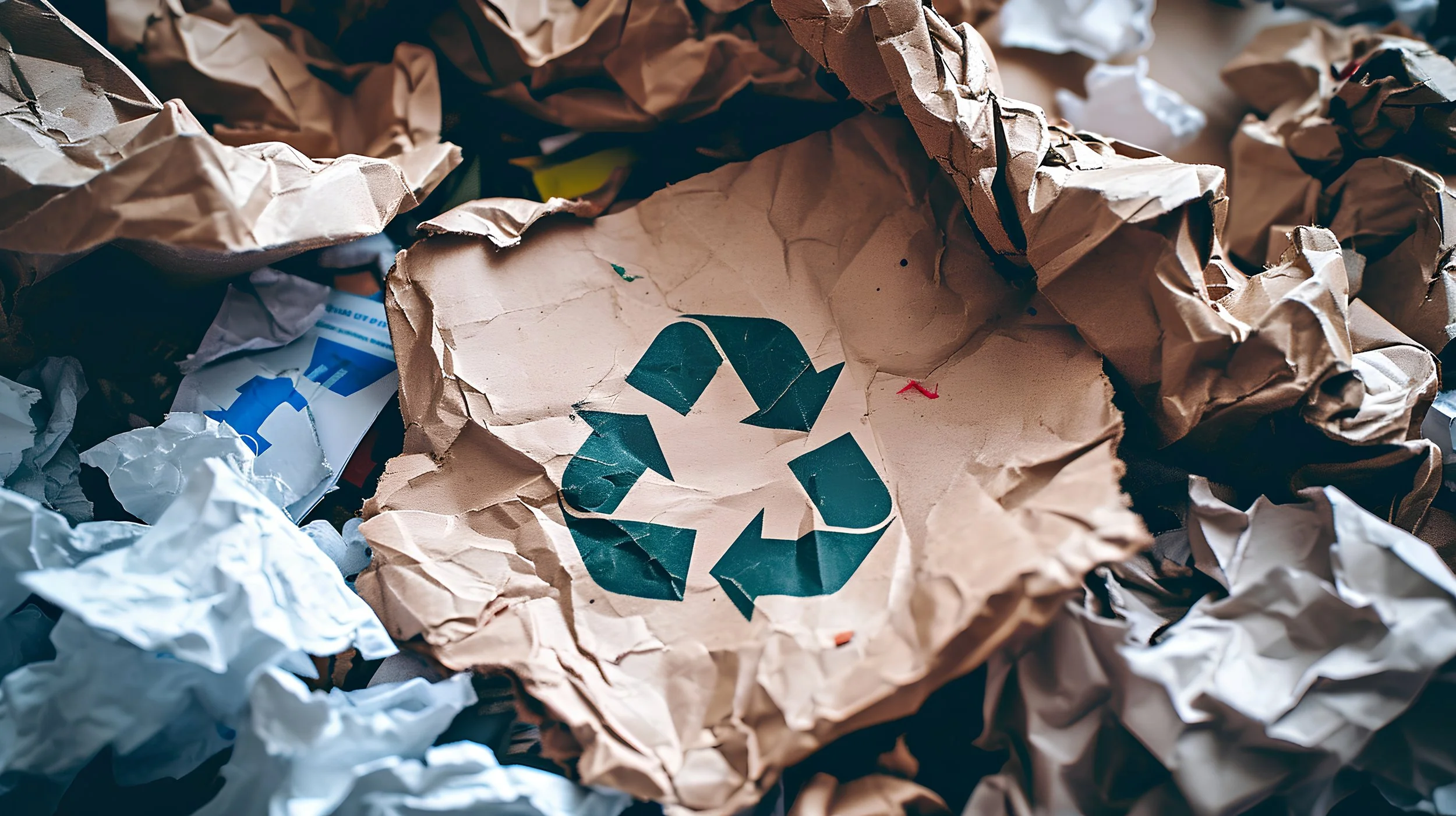
Federal court pauses California “Truth in Recycling” compliance deadline
A federal court has paused enforcement of key provisions of California’s SB 343, placing the 4 October 2026 compliance deadline for recyclability claims on hold while a constitutional challenge proceeds.
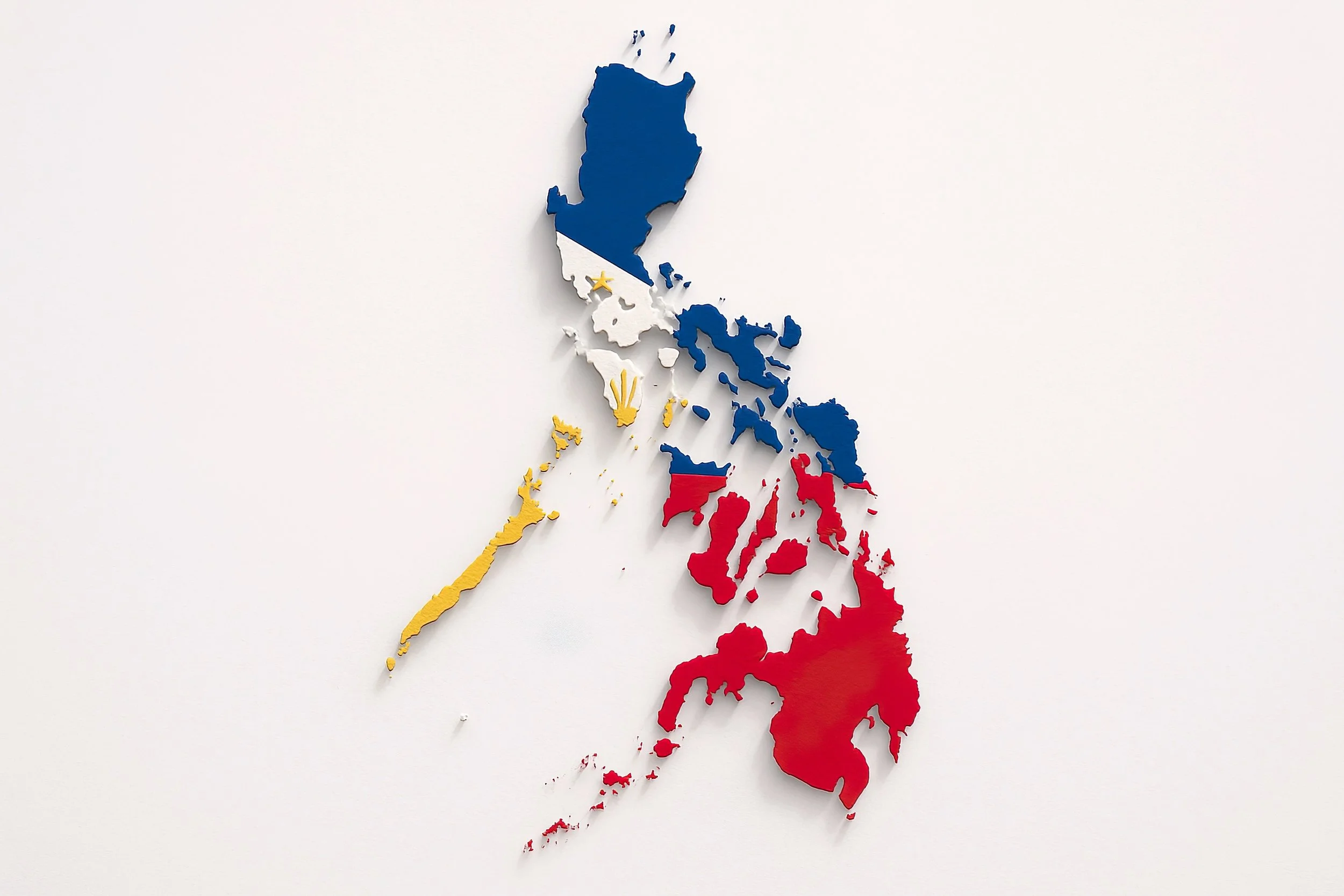
Philippines adds 81 chemicals to national inventory
The Philippines has added 81 chemicals to PICCS, exempting listed substances from the PMPIN process while leaving other regulatory controls in place. Companies should verify chemical names and CAS numbers carefully, especially as the official portal had not yet reflected the new entries at the time of publication.

Minnesota PFAS Reporting Deadline Nears as Extension and Waiver Requests Close August 16
Manufacturers selling products in Minnesota face an August 16, 2026, deadline to mail requests for additional reporting time or a waiver, followed by the September 15 deadline for submitting PFAS-in-products reports.

Illinois Enacts 2028 Ban on PFAS and Other Chemicals in Cosmetics
Illinois will prohibit cosmetics containing specified PFAS, formaldehyde-related substances, phthalates, mercury, parabens, and certain hair-dye chemicals beginning 1 July 2028, before expanding the ban to all intentionally added PFAS on 1 January 2032.
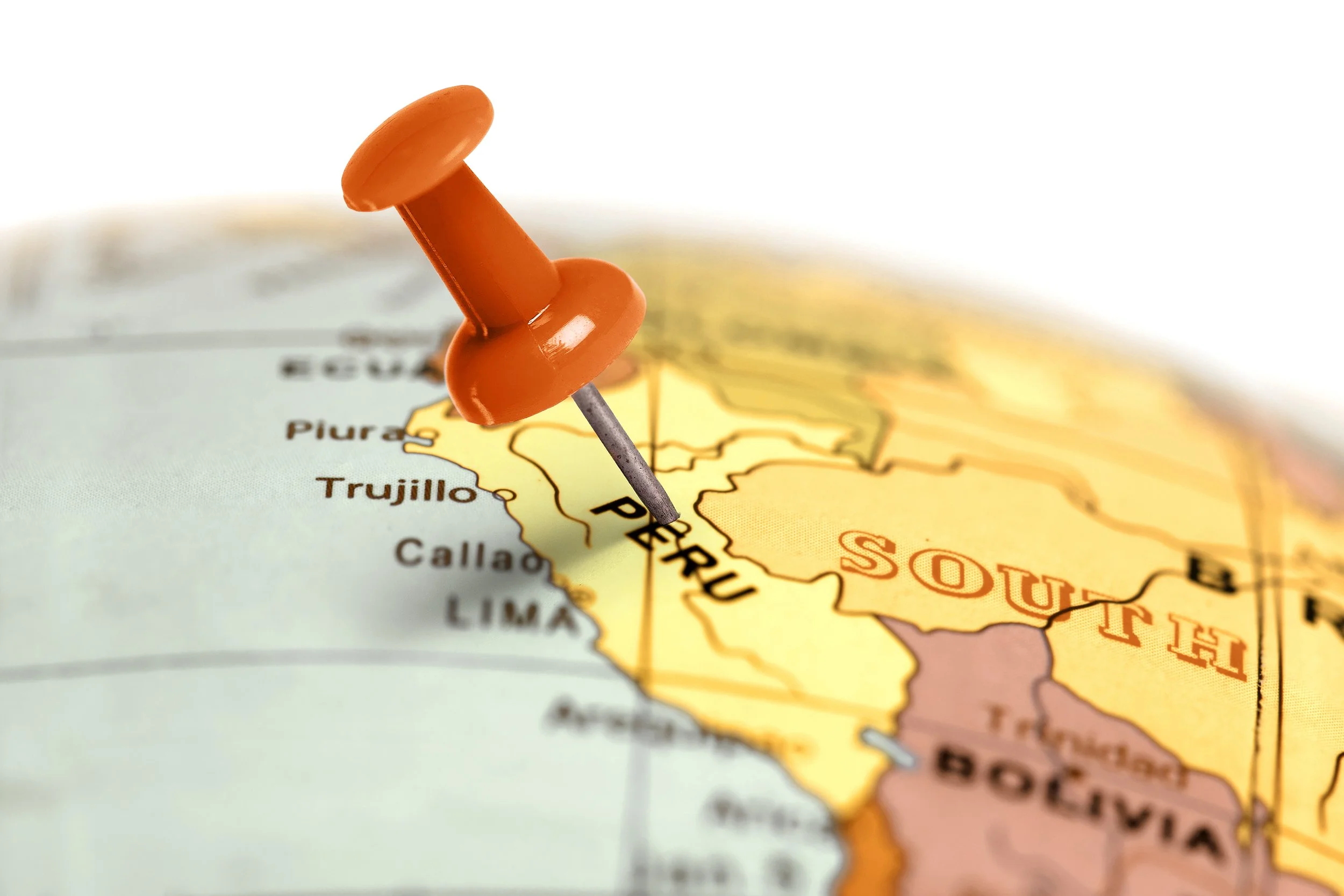
Peru’s new chemical notification and reporting rules: What companies must know
Peru’s new chemical framework creates staggered notification and RENASQ reporting duties for manufacturers and importers, including chemical identity, classification, labels, SDS, annual quantities and risk evaluations.
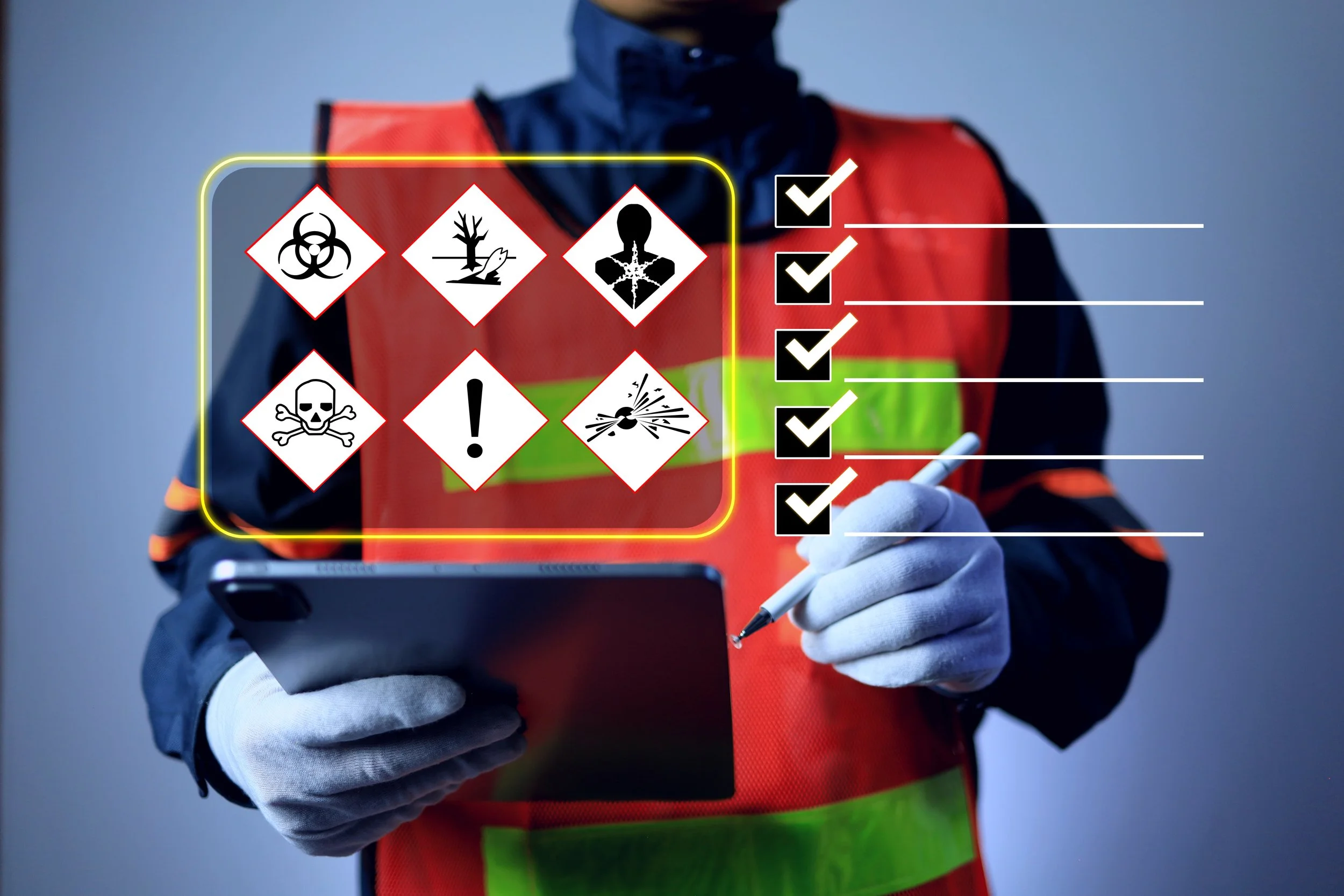
Peru’s New GHS Rules: What companies need to know about classification, labels and safety Data Sheets
Peru’s new chemical regulation requires companies to self-classify substances, prepare Spanish GHS labels and safety data sheets, follow label sizing rules, manage small-container requirements and update documents when hazards change.
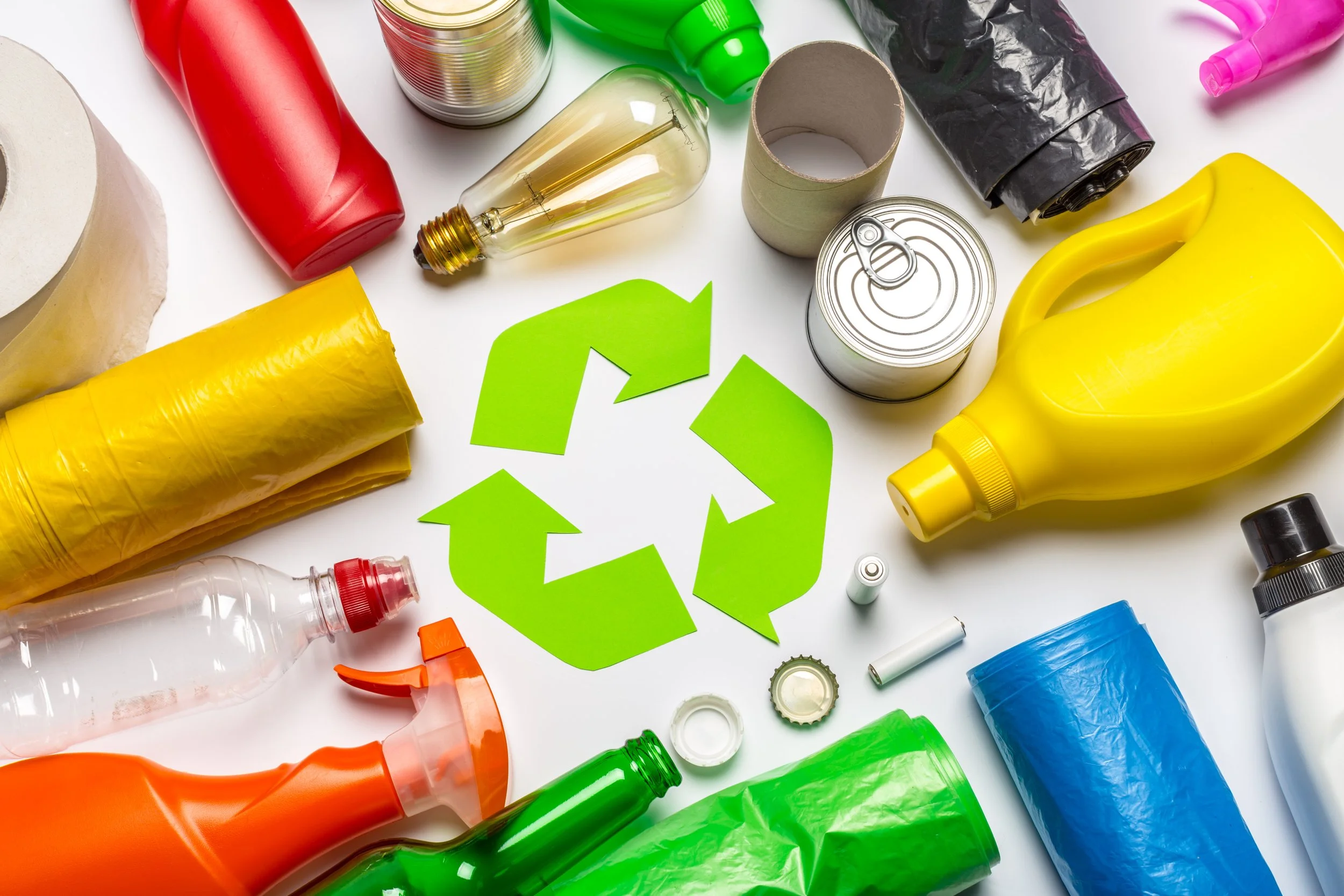
Philippines introduces bill mandating recycling label
Philippines House Bill No. 9281 would require recycling labels, material disclosures, disposal instructions, and substantiated packaging claims.
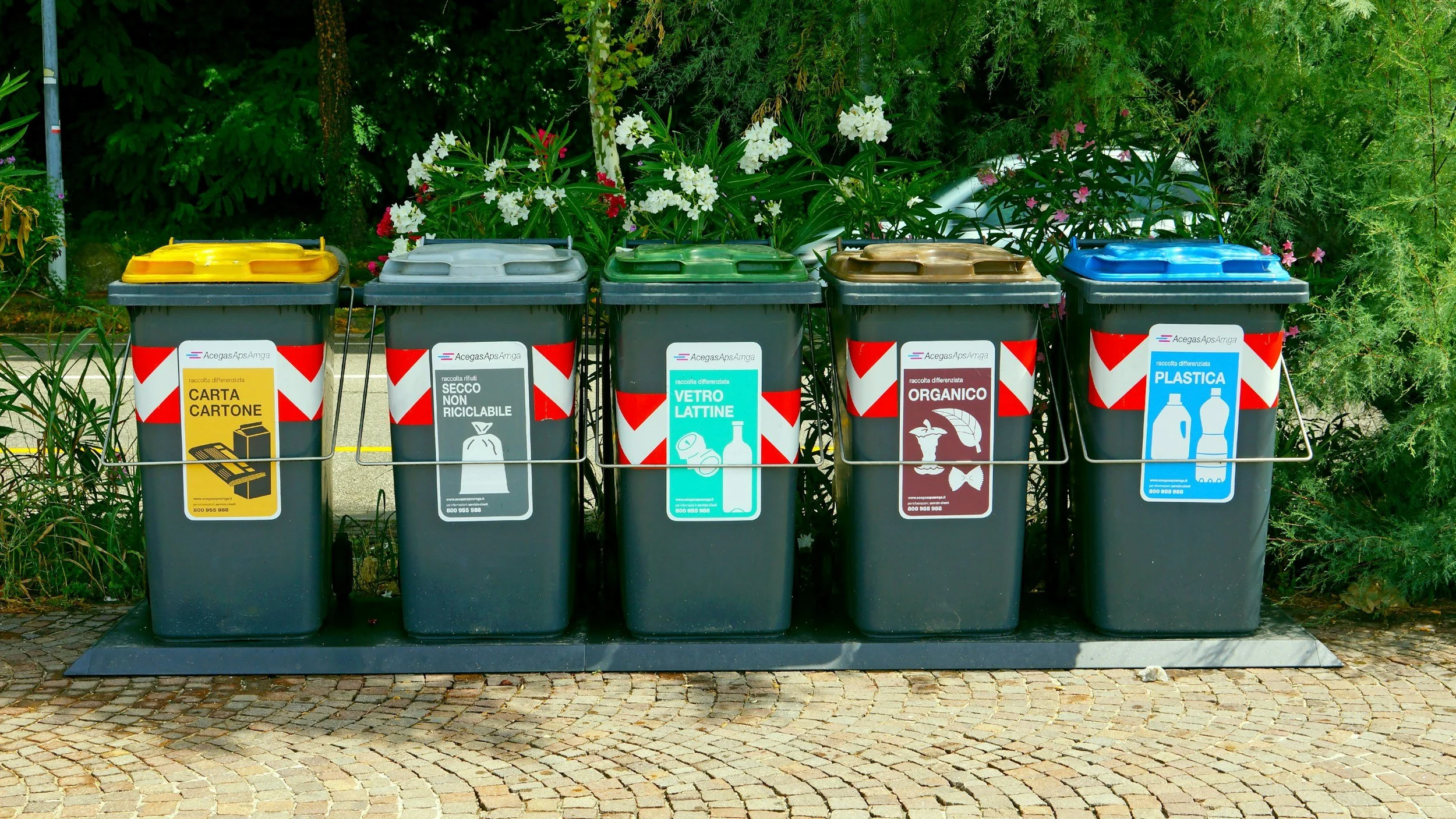
Vietnam cuts EPR contribution rates and simplifies extended producer filings for batteries, electronics, packaging, and other consumer products
Vietnam has lowered several EPR recycling contribution rates, consolidated producer filings and shifted administrative costs away from the Fs calculation under Circular 24/2026. The changes affect packaging, batteries, electronics, vehicles and other covered products.

EU consults on new harmonized classification for silver chloride, chloroethane and other chemicals
EU harmonized classification proposals for silver chloride, chloroethane, 1-isopropyl-2,2-dimethyltrimethylene diisobutyrate, N’-(1,3-dimethylbutylidene)-3-hydroxy-2-naphthohydrazide and Solvent Yellow 124 could trigger mixture reclassification, labeling changes, SDS updates and broader regulatory scrutiny across consumer and industrial products.
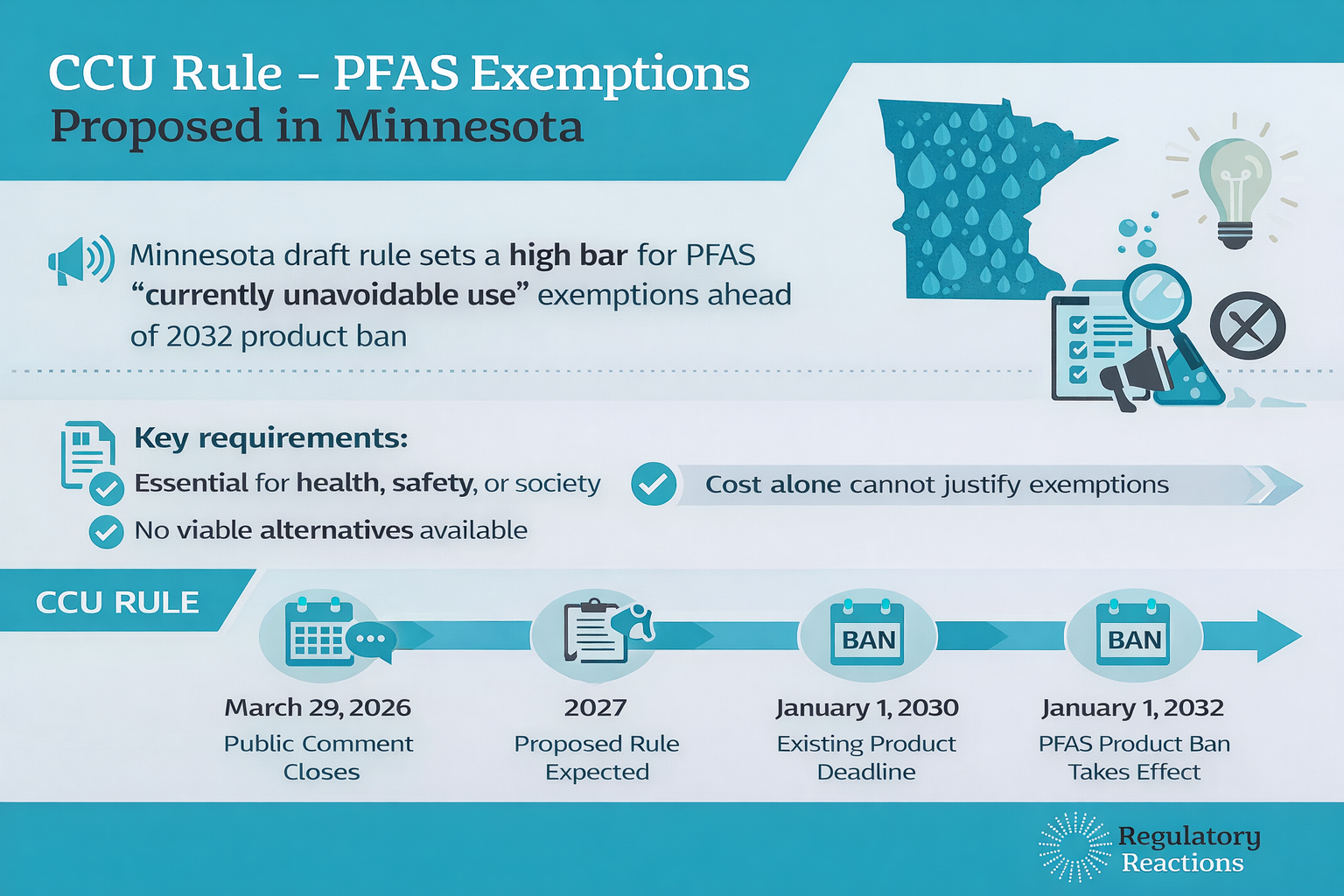
Public comment period is ending for Minnesota’s “unavoidable use” rule for exempting PFAS prohibition
Minnesota advances PFAS exemption rule, detailing CUU waivers, timelines, and key industry questions ahead of the 2032 ban.
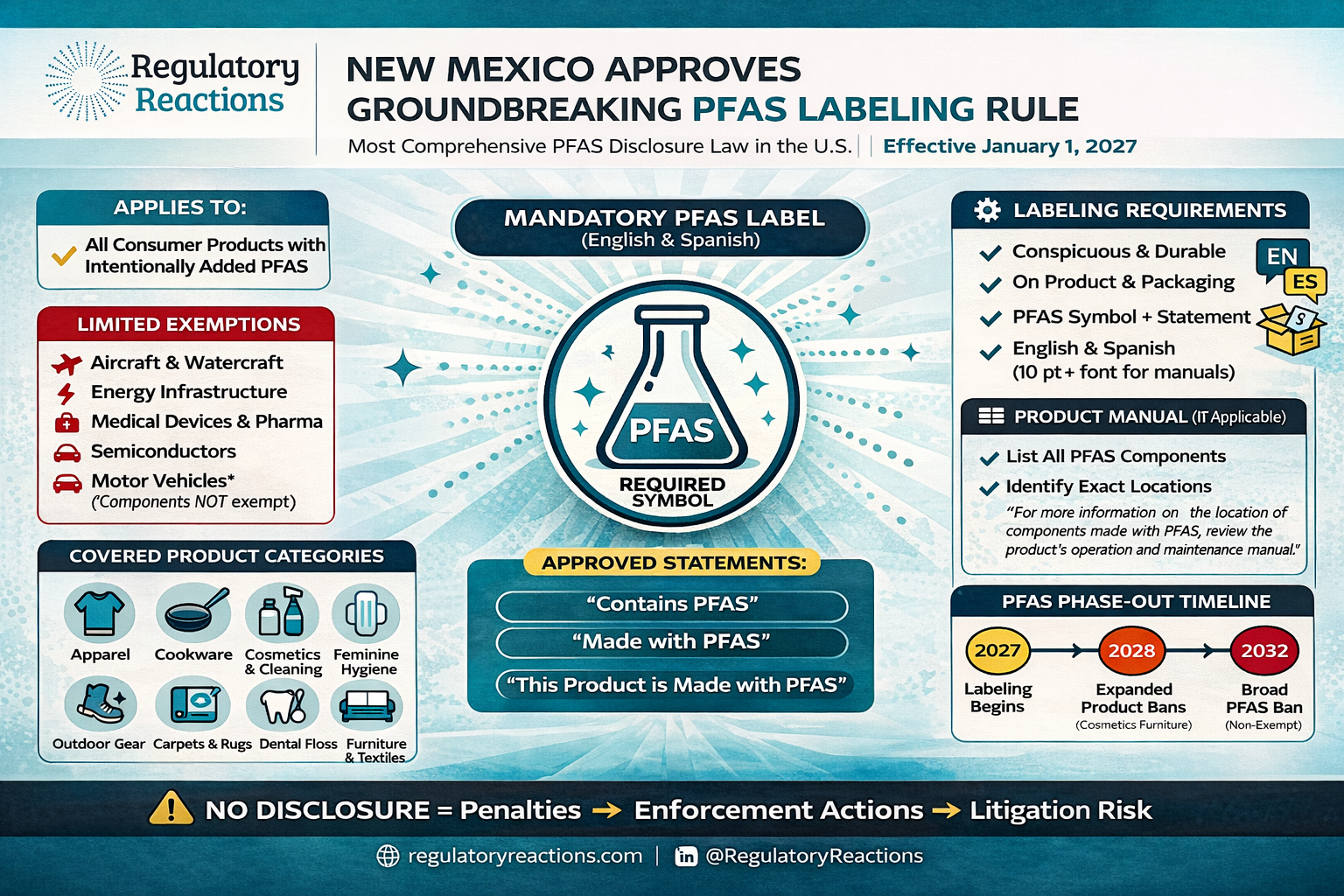
New Mexico approves sweeping PFAS Labeling Rule for Consumer Products
New Mexico mandates PFAS labels on most consumer products by 2027, creating the most comprehensive U.S. disclosure framework.
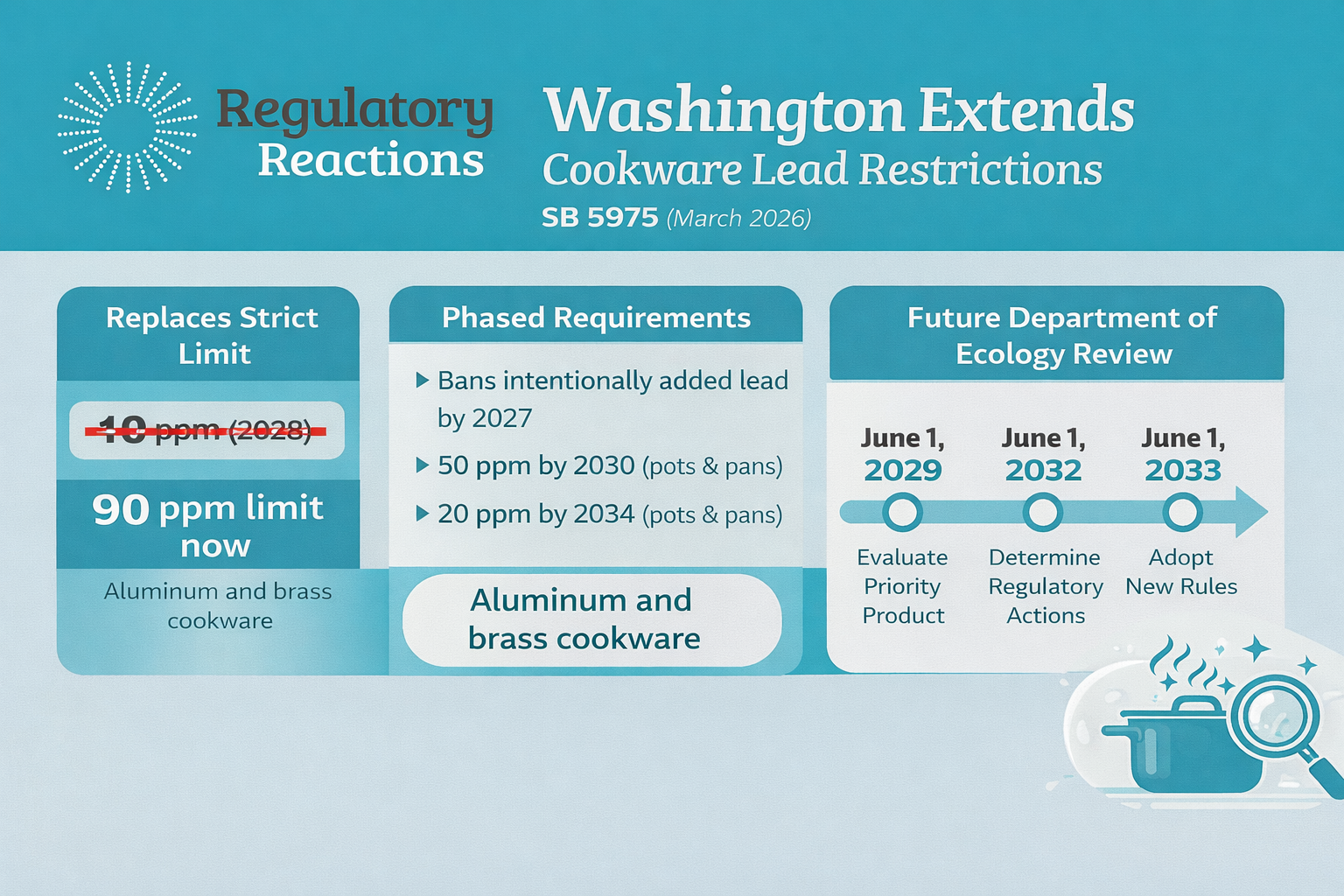
Washington Revises Lead Limits for Cookware, Extends Timeline
Washington enacted SB 5975, replacing a planned 10 ppm cookware lead limit for 2028 with phased limits of 50 ppm (2030) and 20 ppm (2034).
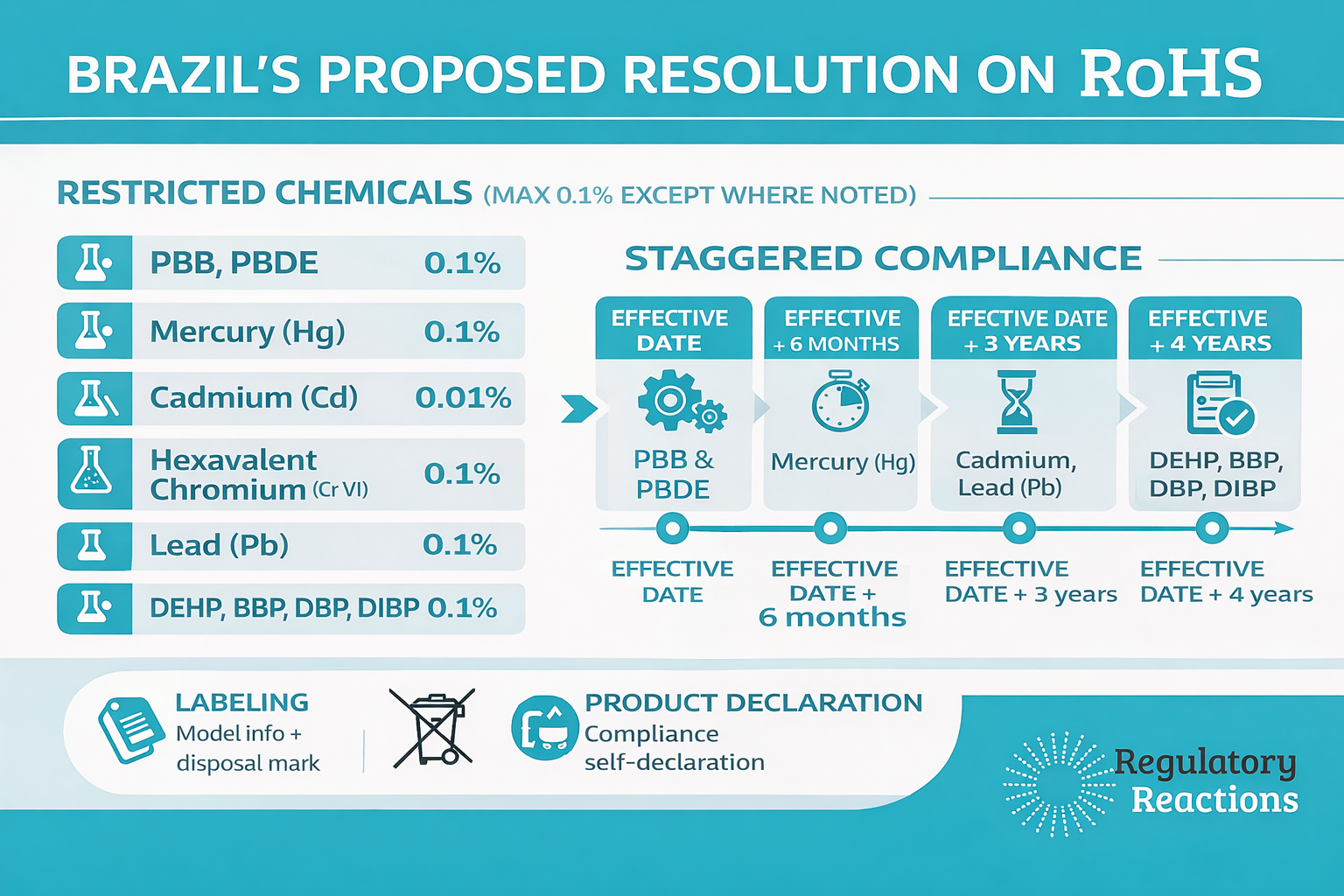
Brazil on track to implement RoHS-style restrictions on hazardous substances in electronics
Brazil updates draft proposal to implement RoHS-style EEE rules, adding exemptions, stricter registration, and phased deadlines aligned with EU standards.
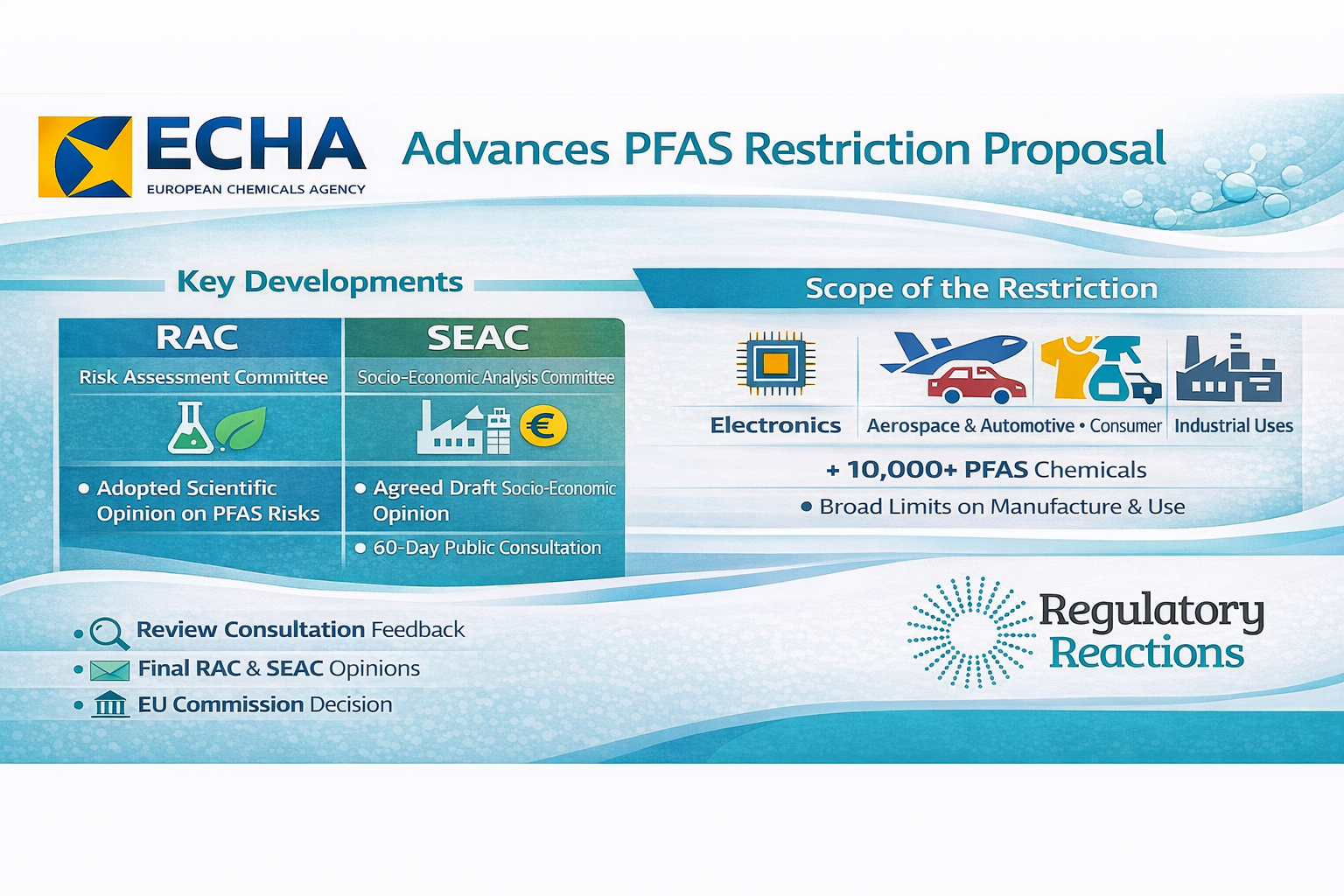
EU PFAS ban moves forward as ECHA committees issue key opinions
ECHA advances EU PFAS restriction as RAC adopts its opinion and SEAC agrees draft socio-economic assessment for consultation.